Free vs Paid Quran Courses: Which to Choose?
Free vs Paid Quran Courses: Which to Choose?
In today’s interconnected world, digital learning has transformed Islamic education. For Muslims living in the United States, the UK, and other Western countries, the shift toward online Quran learning has been nothing short of revolutionary. Families no longer struggle to find qualified local tutors; instead, they have access to certified Quran scholars from around the globe directly from the comfort of their homes.
Yet, for many prospective learners and parents, one critical question consistently arises: Should I enroll my kids in free Quran courses, or is it better to invest in paid, structured Quran classes?
While both options exist, making the wrong choice early on can lead to permanent pronunciation habits that are hard to fix. In this article, we will explore the real differences between free and paid platforms so you can make an informed decision for your family’s Islamic education.
The Rise of Digital Islamic Education in the West
Muslim parents often face challenges finding qualified live Quran teachers locally, especially those fluent in Arabic and officially trained in Tajweed. Physical madrasahs may be located too far away, and modern busy lifestyles make commuting difficult.
Online platforms solve this by offering:
-
Flexible scheduling for kids and working professionals.
-
Access to native Arab tutors and teachers with an official Ijazah.
-
One-on-one Quran classes focused entirely on the student’s pace.
-
Specialized programs like Quran memorization (Hifz) and learn Tajweed online step-by-step.
Free Quran Courses:
Accessibility with Hidden Risks The Advantages: The biggest benefit is obvious: cost-free accessibility. For new Muslims or those with extreme financial limitations, free YouTube videos or community volunteer classes provide a basic entry point.
The Limitations & Risks:
-
Zero Live Correction: This is the biggest danger. A free video or app cannot correct your child if they mispronounce the letter “ض” (Dhad) or “ع” (Ayn). Uncorrected mistakes quickly become permanent habits.
-
Inconsistent Scheduling: Volunteer-led classes are often irregular. Frequent cancellations kill a student’s momentum and motivation.
-
Variable Teaching Quality: Not every volunteer is a certified scholar. Teaching the Book of Allah requires specific pedagogy that free resources often lack.
Paid Quran Courses: Structured, Safe, and Professional
When considering the online Quran tutor cost, parents quickly realize that they are not just paying for time; they are investing in their child’s spiritual foundation.
The Advantages:
-
Expert, Certified Tutors: Premium academies hire exclusively qualified Quran tutors, often graduates of prestigious institutions like the Islamic University of Madinah. This guarantees 100% accuracy in Tajweed.
-
Structured Quran Learning: Paid programs offer clear roadmaps. Kids start with a structured Noorani Qaida, while adults move into fluent recitation and advanced Hifz.
-
Accountability & Progress Tracking: Unlike free courses, paid academies provide regular feedback, progress reports, and parental monitoring. You know exactly what your child is learning.
-
Ultimate Flexibility: Paid platforms allow you to schedule weekend Quran classes or adjust timings to perfectly fit your US or UK time zone.
Which Option Should You Choose?
-
For Kids: Paid classes are non-negotiable. They ensure safety, professional structure, and the vital live correction needed to build a flawless Tajweed foundation.
-
For Working Adults: Paid classes offer the flexibility and tailored guidance necessary for busy schedules.
-
For Beginners exploring Islam: Free courses are a fine starting point for listening, but transitioning to a paid tutor is essential for actual recitation.
Conclusion: Making the Right Investment
Free programs make general Islamic knowledge accessible, but when it comes to the exact science of reading the Quran correctly, professional academies are indispensable.
At Quranic Values, we bridge the gap between authentic Islamic education and Western Muslim families. Led by scholars holding official certifications from Al-Masjid An-Nabawi, we guarantee a transformative and highly engaging learning experience for your children.
Ready to see the difference a certified tutor makes?

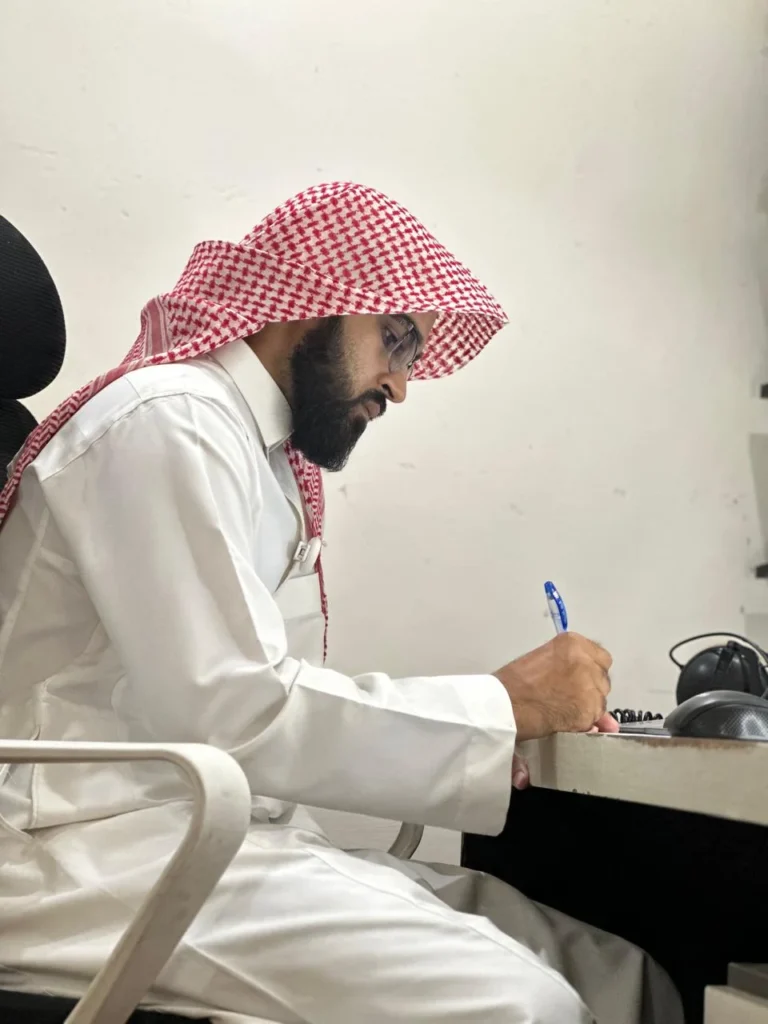
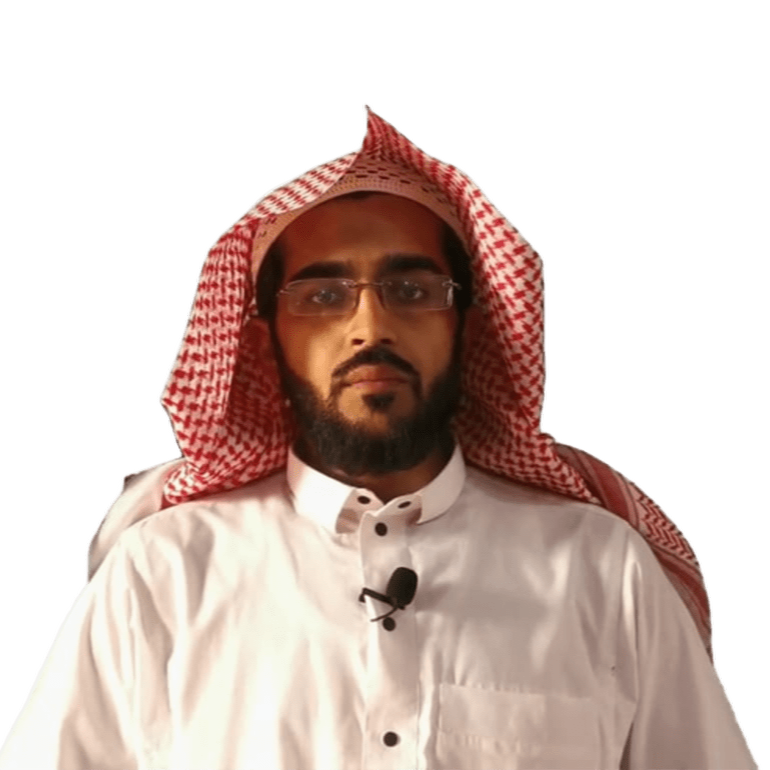
Sheikh Abdul Rahman Yaqoob is a certified Quran & Tajweed scholar, holding a Bachelor’s Degree with Honors in Noble Quran and Islamic Studies from the Islamic University of Madinah. He is the Lead Instructor at Quranic Values, dedicated to bridging the gap for Muslim families in the West by providing authentic Islamic education and nurturing a generation connected to their faith and identity